

Cindy Desrochers @ fireplacesands Member Since: 11 Oct 2024
 South Africa
About Me
A Cheat Sheet For The Ultimate For Wood Burner Fireplace
How to Get the Most From a Wood Burner FireplaceWood stoves, in contrast to traditional open fireplaces, are engineered to use wood for combustion. This enables them to comply with stricter emission standards.
Wood burning stoves emit dancing yellow flames and cosy crackling noises. They also give an incredibly warm feeling. The smoke that is generated contains toxic air pollutants like benzene, formaldehyde, and polycyclic aromatic hydrocarbons.
Efficient
Fireplaces and stoves that burn wood provide beautiful and natural heat source to the home, they are also incredibly efficient. A good quality wood burner can achieve an Ecodesign rating of up to 77 percent. It is crucial to get the most out of your log stove particularly with the rising energy costs. The good thing is that it's easier than ever to do!
The amount of moisture in firewood is an important factor that determines how efficient a wood-burning stove is. This is why we suggest only using seasoned wood, that has been dried for at least one year, but more often two years. The dryer the wood is, the more efficiently it burns, which means less smoke and less harmful emissions.
Another benefit of a wood-burning stove is that it's an eco-friendly source of fuel, which is great for the environment. Additionally, by purchasing locally-sourced firewood, you're aiding in the active management of forests which is a wonderful aspect for wildlife.
In terms of maintenance concerned, the primary requirement for a wood burner is to take out and dispose of the ash. It's a bit of a hassle, but it is worth it to get the most heat from each log. If you allow the ashes 2-3 days to completely cool They can also be used as a non-toxic and environmentally friendly melt of ice. They can be used to polish jewelry or absorb the odors.
A wood burner fireplace is a truly timeless classic. Although they're less popular than gas Fireplaces And Stove, there is no denying the charm and enthralling sound of a warm log fire. These fires are great for snuggling up with on cold evenings, and they create a warm and welcoming space in your home. A high-quality wood burner will pay for itself for a long time. Call us today to learn more about how our expert chimney sweeps can assist you in getting the most out of your stove.
Low Carbon
Wood burners that burn clean and efficiently are among the best ways to save money on logs and keep your home warm. In addition, they also aid in local woodland management, which is a excellent way to help the wildlife in your local area.
Wood-burning fireplaces and stoves create minimal pollution when they are maintained properly and used with dry, seasoned firewood. However, if they are not well maintained or used with poor quality wood, the smoke produced by them contains fine particles (known as particulate pollution) that can cause irritation to the lungs and other organs. Carbon monoxide, toxic air pollutants such as benzene and formaldehyde, and polycyclic aromatic hydrocarbons are also present. Inhaling this type of air pollution could cause lung irritation, coughing, wheezing and asthma attacks. It can even lead to serious health conditions such as heart disease, cancer, or premature death.
Some people are concerned that wood-burning stoves will contribute to climate change, but this isn't necessarily true. Wood burning is a carbon neutral energy source. The tree absorbs carbon dioxide over its life. After burning carbon dioxide is released into the atmosphere.
Since the wood is sourced locally, this reduces the amount of pollution emitted when it is transported. It is also essential to use high quality, seasoned hardwoods as these will provide a longer and more even burn than softwoods.
Modern, EPA certified wood stoves and heaters (such as those manufactured by Charlton & Jenrick) have considerably lower emissions than earlier stoves. They have been certified to meet 2020 EPA standards, which are considerably more strict than previous emission limits.
All wood burning stoves must be fully vented to the outside of your property to ensure they do not cause a build-up of exhaust in your house. By keeping the flames away from the logs and ensuring that you make use of dry, seasoned wood, all of our current clean burn and DEFRA exempt stoves are capable of producing very clear exhaust. They also have particle levels of 60% or more below the DEFRA limit.
A wood burning stove equipped with a catalytic converter or a hybrid unit could provide the most efficient low-carbon heating solution. These units re-ignite gasses and particles released from the initial burning in a second phase by mixing them superheated air. They then channel the remaining particulates and gasses through a catalytic combustor for the third and final combustion, further reducing emissions to a level well below government standards.
Clean Burn
Cleanburn wood stoves are designed to burn fuel with the best efficiency that is achievable. This results in a minimum amount of particles emitted into the atmosphere when burning wood. The air management system of the stove regulates the intake and ventilation of gases, ensuring that the combustion process is conducted in a safe and controlled environment. It also regulates the flame's height to maximize heat output and minimize emissions.
This means your chimney and its surroundings will be much cleaner than older stoves. Particulate matter (also known as particle pollution) from wood that is not fully combusted causes respiratory problems such as coughing and wheezing in people and can contribute to the development of heart disease such as stroke, diabetes, and other serious health issues. Air pollution caused by wood burning is an important factor in poor urban air quality.
The smoke that is emitted from poorly combusted wood is a mixture of fine particulate pollution and hazardous air pollutants such as carbon monoxide volatile organic compounds, nitrogen oxides, benzene formaldehyde, and polycyclic aromatic hydrocarbons. These particles can penetrate deep into the lungs and other organs, causing discomfort, injury, and even death. Airborne dust can also contaminate the surfaces in your home and create the impression of a rough surface to rooms.
If you're using a fireplace with wood burning it is important to use firewood of the highest quality that has been dried and seasoned. dried. The most effective woods for heating are hardwoods like oak, ash and beech. Hardwoods have a higher density and BTU content and they offer more heat than softwoods.
Check with your local authority to see whether they have rules regarding wood burning. These rules may include rules on odors and nuisances, as well as visible smoke emissions or smoke opacity limitations.
It is essential to keep the glass of a wood stove with glass fronts free of dirt and deposits. You can use a dry cloth or oven cleaner spray to do this. You can also mix bicarbonate of a soda with a small amount of water to the glass.
Regular maintenance of your chimney and stove is also essential. Regular chimney cleanings are required to eliminate creosote, and to ensure that the flue is operating properly. It is also recommended to note the dates of your periodic inspections on your calendar. This will allow you to prevent costly repairs and extend your wood burner's life.
Low Maintenance
Wood burning fireplaces are popular because they provide a natural warmth. However, this type of fire requires some care and maintenance. If not cleaned and maintained regularly, the chimney, flue, and stove could be fire hazards in your home. Fireplaces can also be an excellent source of warmth when the power goes out, especially during winter when snowstorms can cause tree branches to fall and rip up power lines.
If you use a wood stove to heat your home, you can reduce your carbon footprint compared to other fossil sources of energy like gas. Modern wood stoves and inserts are designed to comply with EPA (Environmental Protection Agency) standards, which means they produce very low emissions. The more well-seasoned wood that you use the more efficient the stove will be. You'll require less wood to get the same heat.
They require some maintenance and care, including ensuring they are positioned away from burning materials and a screening is installed. Cleaning the grate of debris and ash will help air flow and will stop the fire from dying quickly. It will also help keep your indoors clean. You should have your stove and chimney cleaned every year at least two times to prevent creosote build-up, which can be an extremely dangerous fire hazard as well as a blockage that can hinder the flow of air.
It may take some time for a new homeowner to master the art of how to light, ignite and maintain a constant fire in the fireplace. However, once you have achieved the art of creating and maintaining an open flame in your wood stove, it can be a source of enduring pleasure that will provide warmth and warmth to your home year after year.
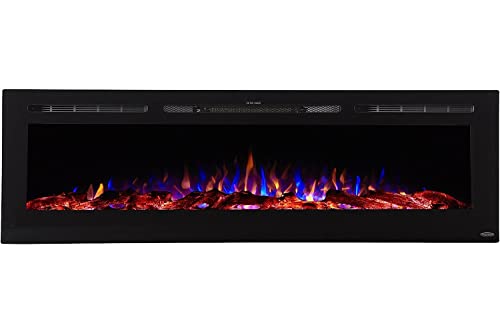 Fireplaces that burn wood have been around in one form or another for over 500 years and they've gained a new following due to their energy efficiency as well as their sustainability and natural warmth and smell of real wood. Talk with your local Regency dealer about the advantages of wood stoves or inserts for your home if you're planning to buy an upgrade to your heater.
Rating

Worsem connects businesses with freelancers offering digital services. world's largest freelance services marketplace.