
Donny Umberger @ donnyumberger2 Member Since: 25 Jul 2025
 United Kingdom
About Me
The Science of Carpet Cleaning: Techniques, Benefits, and Best Practices
Carpets are a common feature in many homes and commercial spaces, providing comfort, aesthetic appeal, and insulation. However, they are also prone to accumulating dirt, allergens, and stains, necessitating regular cleaning to maintain their appearance and hygiene. This article explores the science behind carpet cleaning, examining various techniques, their benefits, and best practices.
The Importance of Carpet Cleaning
Regular carpet cleaning is essential for several reasons. First and foremost, carpets act as air filters, trapping dust, allergens, and pollutants. Over time, these contaminants can accumulate, leading to poor indoor air quality and potential health issues, particularly for individuals with respiratory conditions. A clean carpet can significantly reduce the presence of allergens such as dust mites, pet dander, and mold spores.
Moreover, carpets can harbor bacteria and fungi, which can contribute to unpleasant odors and even health problems. Regular cleaning helps mitigate these risks, ensuring a healthier living environment. Additionally, clean carpets enhance the aesthetic appeal of a space, prolonging the lifespan of the carpet and providing a welcoming atmosphere.
Types of Carpet Cleaning Methods
There are several carpet cleaning methods, each with its advantages and limitations. The most common techniques include:
1. Hot Water Extraction (Steam Cleaning)
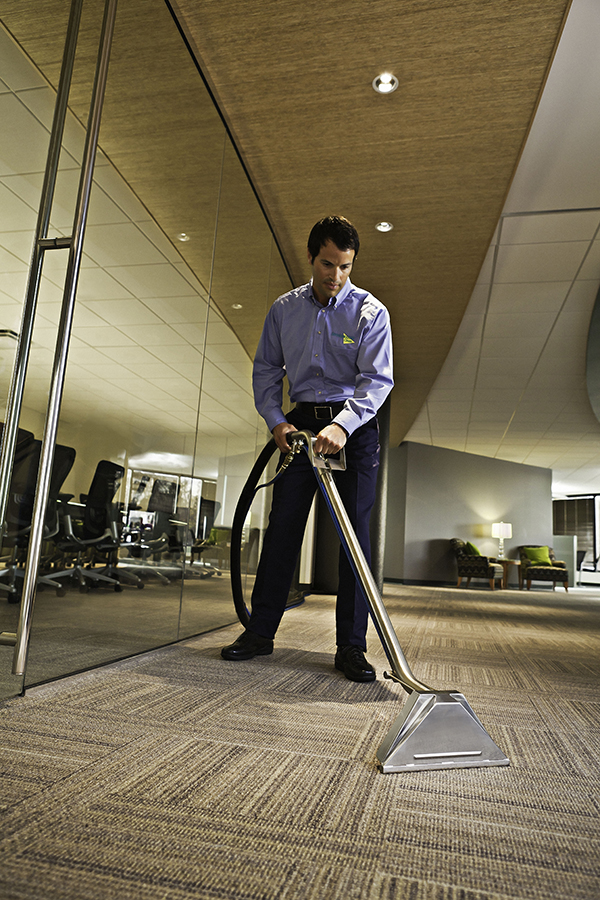
Hot water extraction, commonly referred to as steam cleaning, is one of the most effective Premier Carpet Cleaning cleaning methods. This technique involves injecting hot water mixed with a cleaning solution into the carpet fibers under high pressure. The solution loosens dirt and stains, which are then extracted along with the water using a powerful vacuum.
Benefits:
- Deep cleaning ability, effectively removing dirt, allergens, and stains.
- Environmentally friendly options available with biodegradable cleaning solutions.
- Quick drying times when performed with proper equipment.
- Requires professional equipment or services for optimal results.
- Potential for over-wetting if not performed correctly, leading to mold growth.
2. Dry Cleaning
Dry cleaning methods use minimal moisture, making them suitable for delicate carpets that may be damaged by water. This technique typically involves applying a dry cleaning solvent or powder to the carpet, which binds to dirt and stains. The soil is then removed using a vacuum.
Benefits:
- Quick drying time, allowing for immediate use of the carpet.
- Suitable for delicate fabrics that cannot withstand water.
- May not provide as deep a clean as hot water extraction.
- Some dry cleaning solvents may contain harsh chemicals.
3. Shampooing
Carpet shampooing involves applying a foamy cleaning solution to the carpet, which is then scrubbed into the fibers using a machine. Afterward, the carpet is rinsed and vacuumed to remove the residue.
Benefits:
- Effective for removing surface dirt and stains.
- Can be performed using home equipment.
- Residue from the shampoo can attract dirt if not thoroughly rinsed.
- May not be suitable for all carpet types.
4. Bonnet Cleaning
Bonnet cleaning is a method often used in commercial settings, where a rotary machine with a bonnet pad soaked in a cleaning solution is used to clean the carpet surface. This technique is effective for maintenance cleaning rather than deep cleaning.
Benefits:
- Quick and efficient for surface cleaning.
- Minimal drying time.
- Does not penetrate deeply into the carpet fibers.
- Can lead to residue buildup if not performed regularly.
The Chemistry of Carpet Cleaning
The effectiveness of carpet cleaning methods largely depends on the chemistry of the cleaning agents used. Cleaning solutions typically contain surfactants, which reduce the surface tension of water, allowing it to penetrate and lift dirt and stains more effectively.
- Surfactants: These compounds help break down grease and grime, making it easier to remove soil from carpet fibers. They can be anionic, cationic, or nonionic, each with specific properties suited to different cleaning tasks.
- Enzymes: Some cleaning products contain enzymes that target specific types of stains, such as protein-based stains from food or pet waste. These enzymes break down the stain at a molecular level, making it easier to remove.
- pH Levels: The pH level of a cleaning solution can also affect its efficacy. Alkaline cleaners are effective for removing oily stains, while acidic cleaners can help dissolve mineral deposits and rust stains.
Best Practices for Carpet Cleaning
To achieve the best results in carpet cleaning, consider the following best practices:
- Regular Maintenance: Vacuum carpets at least once a week, and more frequently in high-traffic areas. This helps prevent dirt from accumulating and reduces the need for deep cleaning.
- Spot Cleaning: Address spills and stains promptly to prevent them from setting. Blot the area with a clean cloth and use appropriate cleaning solutions for the type of stain.
- Professional Cleaning: Schedule professional carpet cleaning at least once a year, or more frequently for homes with pets or heavy foot traffic. Professionals have access to advanced equipment and cleaning solutions that can provide a deeper clean.
- Test Cleaning Solutions: Before using any cleaning product, test it on a small, inconspicuous area of the carpet to ensure it does not cause discoloration or damage.
- Follow Manufacturer Guidelines: Always follow the manufacturer's recommendations for cleaning and maintenance to avoid voiding warranties or damaging the carpet.
Conclusion
Carpet cleaning is a vital aspect of maintaining a healthy and aesthetically pleasing environment. Understanding the various cleaning methods, their benefits, and the chemistry behind them can help homeowners and business owners make informed decisions about carpet care. By implementing best practices and scheduling regular maintenance, individuals can prolong the life of their carpets while ensuring a clean and healthy indoor atmosphere. Whether opting for DIY methods or professional services, the importance of carpet cleaning cannot be overstated in promoting both hygiene and comfort in our living spaces.
Rating

Worsem connects businesses with freelancers offering digital services. world's largest freelance services marketplace.