

Phillipp Sodersten @ builtinovens78 Member Since: 17 May 2025
 South Africa
About Me
The Integrated Fan Oven: A Comprehensive Guide for Modern Cooking
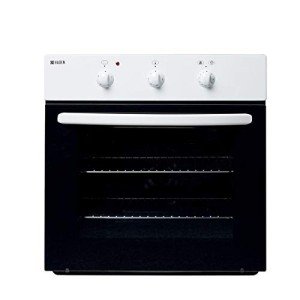
With the rise of innovative kitchen appliances, the integrated fan oven has become a staple in contemporary culinary spaces. This appliance is designed to seamlessly blend into kitchen cabinetry, offering a sleek appearance as well as advanced cooking technology. This article explores the benefits, features, and considerations of having an integrated fan oven, along with answers to frequently asked questions.
Understanding Integrated Fan Ovens
An integrated fan oven combines traditional oven features with a built-in fan that circulates hot air around the food, ensuring even cooking. Unlike conventional ovens, where heat may be uneven, the fan helps to maintain a consistent temperature, which can significantly enhance cooking outcomes.
Features of Integrated Fan Ovens
Space Efficiency: As they are designed to be built-in, these ovens save counter space and can create a streamlined kitchen look.
Even Cooking: The fan system allows for heat distribution throughout the oven cavity, reducing cooking times and providing consistent results.
Versatility: Many integrated fan ovens come with multiple cooking modes (e.g., bake, grill, roast, and defrost), allowing for various culinary techniques.
Ease of Use: Most integrated fan ovens are equipped with user-friendly controls, digital displays, and programmable settings.
Energy Efficiency: These ovens often use less energy than traditional models due to faster preheating and cooking times.
Below is a summary of key features found in integrated fan ovens:
| Feature | Description |
|---|---|
| Design | Built-in to cabinetry for seamless integration |
| Cooking Technology | Fan-assisted heat for even cooking |
| Capacity | Various sizes to suit different kitchen layouts |
| Cooking Modes | Multiple settings for diverse cooking needs |
| Energy Efficiency | Advanced technology for reduced energy consumption |
Benefits of Using an Integrated Fan Oven
Integrating a fan oven into a kitchen design comes with several advantages:
1. Enhanced Cooking Performance
- Precision Cooking: The fan is ideal for precision cooking techniques, allowing bakers to achieve fluffier cakes and crispier pastries.
- Faster Cooking Times: Compared to traditional ovens, integrated fan ovens can cook food more rapidly, saving time in preparation.
2. Aesthetic Appeal
- Sleek Design: The built-in feature helps create a unified look in the kitchen, enhancing overall aesthetics.
- Customizable Fit: Integrated ovens can be designed to fit seamlessly with cabinetry styles, providing a custom look.
3. Practical Benefits
- Ease of Cleaning: Many integrated fan ovens include self-cleaning modes (like pyrolytic cleaning), which simplify maintenance.
- Flexibility: Multi-level cooking capabilities enable you to cook multiple dishes simultaneously.
4. Safety Features
- Cool-Touch Exteriors: Many models feature insulation that keeps the outer sides cool to the touch, minimizing the risk of burns.
- Auto Shut-off: Safety features prevent overheating by automatically turning off the oven after a set period.
Considerations When Choosing an Integrated Fan Oven
When selecting an integrated fan oven, it's essential to consider various factors that will suit individual needs:
- Size & Capacity: Measure the space available in your kitchen to ensure a proper fit, and choose an oven size that meets your cooking needs.
- Features & Functions: Evaluate different models based on their features, including temperature settings, cooking modes, and user interfaces.
- Energy Rating: Look for energy-efficient models that can help save on electricity bills while being environmentally friendly.
- Budget: Determine your budget and explore options that offer the best value for your investment.
Common Types of Integrated Fan Ovens
- Single Oven: Ideal for smaller kitchens or cooking for one to three people.
- Double Oven: Offers additional cooking space, suitable for larger families or meal prep.
- Compact Ovens: Designed for smaller kitchens but still provide essential functions.
FAQs about Integrated Fan Ovens
1. What is the difference between a fan oven and a conventional oven?
A fan oven uses a fan to circulate hot air around the food, leading to even cooking. In contrast, a conventional oven relies on radiant heat from the top and bottom, which can result in hot spots.
2. Can I use all my cooking trays in an integrated fan oven?
Most standard baking trays and dishes can be used, but it's best to consult the manufacturer’s guidelines for compatibility to avoid damage.
3. Are integrated fan ovens more energy-efficient?
Typically, yes. The quicker heating and even cooking generally use less energy than conventional ovens.
4. Do I need to adjust cooking temperatures when using a fan oven?
Yes, usually it is recommended to reduce the temperature by about 20°C (or 36°F) compared to conventional oven cooking settings.
5. Is installation complicated?
Installation can vary, but it usually requires a professional to ensure proper fitting into cabinetry and electrical connections.
The integrated fan oven offers a blend of modern design and efficient cooking capabilities, making it an attractive addition to any kitchen. Its numerous benefits, including faster cooking times, safety features, and energy efficiency, cater to an array of cooking styles and preferences. Understanding its features, advantages, and installation considerations can assist individuals in making an informed decision, ultimately enhancing their culinary experience. With the right integrated fan oven, cooking becomes a more enjoyable and effective endeavor, elevating meals to a whole new level.
Whether you're a novice cook or an experienced chef, an integrated fan oven can significantly improve kitchen efficiency and effectiveness, creating delicious, evenly cooked meals with ease.
Rating

Worsem connects businesses with freelancers offering digital services. world's largest freelance services marketplace.